
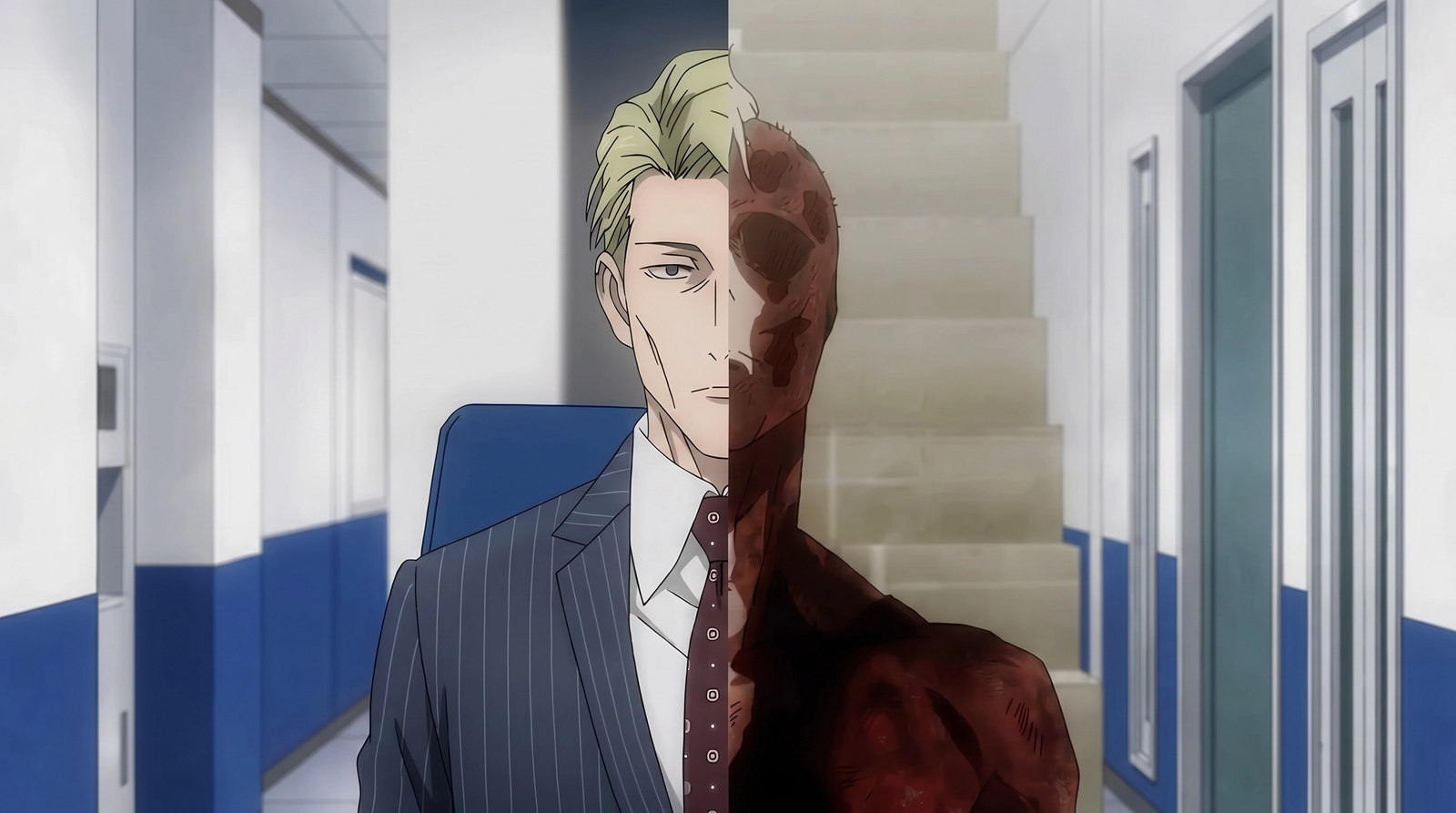
The Voice Behind Nanami Is Suing TikTok , And This Is the Most Important Moment for Anime VAs in Years
Kenjiro Tsuda — the man behind Kento Nanami in Jujutsu Kaisen, Seto Kaiba in Yu-Gi-Oh!, and most recently Shamrock in One Piece — has taken TikTok to court in what may be the first major AI voice cloning lawsuit in the anime industry. Filed in November 2025 at the Tokyo District Court, the case centers on an unnamed TikTok account that uploaded at least 188 videos using an AI generated voice modeled directly after Tsuda’s signature low, deep delivery. Those videos ran from July 2024 through November 2025 and were earning the anonymous uploader between 500,000 and 750,000 yen every month — roughly 9 million yen over the course of a year. This is not a rumor. This is a court case with documents, proceedings, and everything on the line.
The content of those videos was urban legends and trivia — the kind of algorithm friendly stuff that floods your feed when you least expect it. But what made the channel pop was the voice. Viewers left comments saying things like “This sounds exactly like Kenjiro Tsuda,” and that word for word recognition from fans is now part of the legal record. Tsuda’s team is pursuing the removal of all 188 videos under Japan’s Unfair Competition Prevention Act and is invoking his right of publicity — the legal doctrine that gives public figures the power to control how their name, likeness, and voice are used for commercial gain. Three closed door proceedings have already taken place to clarify the key issues in the case. The first actual oral argument is scheduled for this summer in Japan.
TikTok’s response is exactly as slippery as you would expect. The platform argues the AI voice is not an imitation of Tsuda at all — rather, it is described as a “unique male voice” that the uploader claimed was trained on the voice of a friend using an outside website. TikTok further argues that most of the comments on the videos were about the content itself, not the narration, and that viewers were not drawn in because of the voice. Therefore, in TikTok’s framing, no publicity rights were violated. Whether a court in Tokyo buys any of that remains to be seen this summer.
What makes this case matter beyond Tsuda personally is everything it represents for anime voice actors across Japan. Yuki Kaji — the voice of Eren Yeager in Attack on Titan and Shoto Todoroki in My Hero Academia — went public in 2023 calling AI voice synthesis “creepy” and “terrifying” after hearing a version of his voice producing music covers he never recorded. Wit Studio publicly apologized and replaced the AI generated opening animation for Ascendance of a Bookworm Season 4 after fan backlash. The anime industry has been circling this problem for years. A court ruling with actual legal consequences — removal orders, financial damages, enforceable precedent — would be something entirely different from a statement or an apology.
If Tsuda wins, every voice actor in Japan gains a tested legal weapon to fight AI voice theft. If TikTok wins, the door swings open and stays open. There is no neutral outcome here. The first oral argument this summer will be one of the most important moments in anime industry history that most casual fans will never even hear about — unless sites like this one make sure they do.
My take: Tsuda has arguably the most recognizable male voice in the anime industry right now. The fact that random TikTok viewers immediately identified him by ear is the entire case in one sentence. What I want to see from this lawsuit is not just a win for Tsuda — I want to see a ruling that creates real fear in anyone thinking about cloning a voice actor’s work for profit. The industry has been too slow to protect its talent on this. This summer cannot come soon enough.

![[ID: coD32VGed5c] Youtube Automatic](https://amcanime.com/wp-content/uploads/2026/06/id-cod32vged5c-youtube-automatic-60x60.jpg)