10 Anime Everybody Misunderstands
The most iconic and celebrated anime series come in all different shapes, sizes, and genres. Not every masterpiece needs to deal with complex, deeply human themes to be considered a masterpiece. Sometimes, an anime targeted towards a younger audience better accomplishes what it initially sets out to do than a show that misjudges its own depth.
A title like Dragon Ball might qualify as a masterpiece, despite telling a relatively straightforward story, simply because it’s good at what it’s trying to do.
However, there are other shows which have reached incredible levels of popularity, and yet, even large portions of their own fan bases fundamentally misunderstand them. These 10 anime series are some of the most popular to ever air, despite being largely misunderstood.
Neon Genesis Evangelion
Animated by Gainax, Original Anime Series
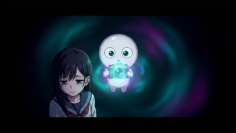
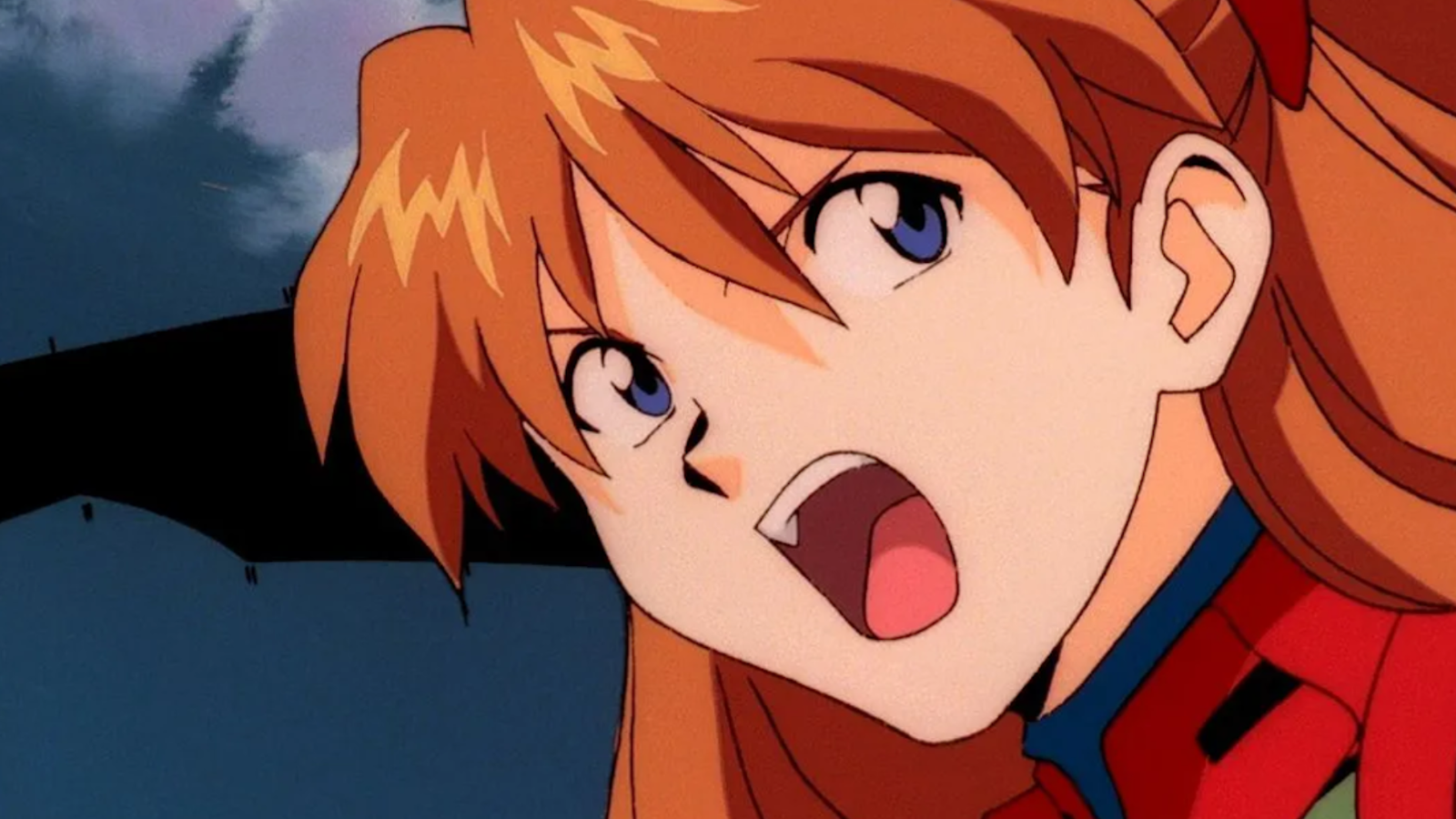
Neon Genesis Evangelion, despite being one of the most successful anime franchises on the planet, often flies over viewers’ heads. It isn’t that its vague religious symbolism is packing a ton of depth, or that its lore is hiding some great secret about the world and its characters. Rather, Evangelion as a work of art is largely misunderstood.
The series is flawed—following flawed characters who belong to a flawed human race in a flawed world, all written by a flawed storyteller. Neon Genesis Evangelion is an exploration into the human condition that breaks the rules of conventional storytelling all in the name of expression, and it’s pretty entertaining while doing so.
Anime fans don’t have to enjoy Evangelion, or its characters and narrative. It isn’t exactly an easy work to consume. But many viewers fail to understand that it isn’t selling them a standard mecha anime story.
Chainsaw Man
Animated by MAPPA, Based on the Manga by Tatsuki Fujimoto
Chainsaw Man appeared in the pages of Shōnen Jump in 2018 and immediately took the anime and manga world by storm. However, the anime’s first season was somewhat divisive, despite the manga’s overwhelming popularity. Chainsaw Man is much more than a horny young man fighting demonic creatures, but anime fans don’t really know that yet.
Because MAPPA’s adaptation covered roughly a third of the source material at the time, anime fans simply weren’t shown enough to get a good grasp on what Chainsaw Man was doing. Unfortunately, viewers walked away thinking the series was about some idiotic, sex-crazed teen with a chainsaw on his head.
It is that, in a way, though the series reveals many of its secrets later down the line, exploring how childhood trauma affects young, emotionally stunted men, and turns them into targets for society’s seedier members and corrupt institutions.
Attack on Titan
Animated by Wit Studio and MAPPA, Based on the Manga by Hajime Isayama
Attack on Titan, for over a decade, has remained one of the most popular names in anime. The ambition and desperation for freedom that eventually resulted in the tragic downfall of Eren Yeager has shocked, disturbed, and most importantly, entertained fans since the anime’s debut in 2013.
Freedom is a word that’s tossed around quite a bit in discussions of Attack on Titan, though fans often misunderstand its relevance within the series. It isn’t exactly a show that tells its audience that freedom cannot be attained, but rather it’s one that explores the meaning of freedom itself, and whether it’s relative to a character’s immediate standing in the world.
Through whatever lens the series is viewed, there’s quite a bit more to it than super soldiers fighting creepy titans.
Code Geass
Animated by Sunrise, Original Anime Series
As the landscape of popular anime continues to shift, a sort of rivalry has emerged between fans of Attack on Titan and Code Geass, with fans on either side adamant that their preferred show is the better of the two. It makes sense, given that both share a number of similarities in their protagonists and major overarching themes.
To the general anime fan, however, Code Geass has taken on the identity of ‘mid-2000s overly-edgy anime’. While there’s some truth to that, given some of the tropes and trends on display throughout the series, it deserves the sort of reputation Attack on Titan has earned in recent years, exploring topics like doing bad in the name of good, and morality in general.
Land of the Lustrous
Animated by Orange, Based on the Manga by Haruko Ichikawa
Land of the Lustrous is a series that lacks much of the modern mainstream appeal. Fans might take a glance at the anime’s unique visual style, or come across the fact that the characters are essentially rocks in a simplified synopsis, and walk away before ever even diving into the story, but Land of the Lustrous is packing far more depth than anime fans might think.
Throughout its brief 12-episode run, Land of the Lustrous explores ideas like adaptation, purpose, and identity, and it even takes a magnifying glass to some certain Buddhist beliefs. Unfortunately, a follow-up season to the 2017 anime doesn’t appear likely, though the series stands well enough to be enjoyed on its own.
My Dress-Up Darling
Animated by CloverWorks, Based on the Manga by Shinichi Fukuda
Most anime fans wouldn’t look to something like My Dress-Up Darling for complex storytelling, and they’d be right not to do so. However, it isn’t a stretch to say that fans’ favorite rom-coms are hiding a little bit more under the surface than they think, and the wildly popular My Dress-Up Darling is a prime example of that.
On the surface, the series is an overly dramatic romantic comedy focusing on cosplay. Underneath that very basic description, however, is a wholesome story about two young people fighting to establish and discover themselves creatively. It isn’t some overly complicated subversion of rom-com tropes, but series like My Dress-Up Darling offer far more than fans think they do.
Assassination Classroom
Animated by Lerche, Based on the Manga by Yusei Matsui
Assassination Classroom aired between 2015 and 2016, and took a large portion of the global anime community by surprise. In what was marketed as a zany, out-there series about a class of students being tasked with killing their teacher, fans found endearing characters, a compelling narrative, and a number of emotional twists and turns.
Underneath that, however, Assassination Classroom explores the education system as a whole, which places children in a position where they must, in a sense, surpass and crush the very teacher guiding them into adulthood. That is, if they wish to have a successful professional career one day.
The series is a fun, wholesome, and wild viewing experience, but it also takes the time to examine the pressures put on students in classrooms.
Delicious in Dungeon
Animated by Trigger, Based on the Manga by Ryoko Kui
Delicious in Dungeon, like many other popular anime and manga series, might not have the surface-level premise that would typically attract fans looking for depth, but there’s far more to it than the cooking of exotic fantasy meals. Rather, the series uses its early lighthearted cooking adventures to influence its audience into caring about its characters.
Once lured into believing Delicious in Dungeon will be a sort of comfort anime, fans are quickly exposed to a darker world and narrative the further into their journey the main party explores. Expecting a mostly wholesome, quirky fantasy series, viewers will find that eating a meal truly is, “a privilege of the living,” as Laios says during their travels.
Fruits Basket
Animated by Studio Deen, TMS/8PAN, Based on the Manga by Natsuki Takaya
Thanks to a modern remake in 2019, Fruits Basket has become relevant once more after being a major presence during anime’s breakthrough in the West during the early 2000s. From its character design to the romantic comedy label it proudly wears, the series might not look like much on the surface, but it offers quite a bit more than fans might think.
Mixing supernatural elements into its narrative, Fruits Basket explores deeply human themes like generational trauma, healing, and self-acceptance. Though its themes might be commonplace in other top anime titles, it’s rare that a romance series would incorporate such heavy topics. Fruits Basket has been known to catch anime fans entirely off-guard for nearly 25 years.
Steins;Gate
Animated by White Fox, Based on the Visual Novel by 5pb. and Nitroplus
Steins;Gate, having aired in 2011, comes off a bit like the dying breath of an anime culture that has largely disappeared in recent years. Along with the anime boom of the 2020s, the once essential visual novel adaptation has become increasingly rare, and modern anime fans have struggled a bit to connect with shows like Steins;Gate.
The branching pathways unique to anime based on visual novels have become a bit of a lost art, though longtime fans will know that Steins;Gate keeps its secrets close to the chest, until deciding to unleash a suspenseful barrage of twists and turns on the audience.
Steins;Gate is relatively straightforward, even through its later developments, but its once popular structure has caused the series to be largely misunderstood by countless new-age anime fans.
- Release Date
-
2011 – 2015-00-00
- Network
-
Sun TV, Teletama
- Directors
-
Kazuhiro Ozawa, Kanji Wakabayashi, Tomoki Kobayashi, Koji Kobayashi, Tomoko Hiramuki, Hisato Shimoda, Shigetaka Ikeda, Hiroyuki Tsuchiya, Yuzuru Tachikawa
- Writers
-
Toshizo Nemoto
-
Asami Imai
Kurisu Makise (voice)
-
Mamoru Miyano
Rintaro Okabe (voice)