Solo Leveling & 9 Other Anime Series That Desperately Need Better Romance
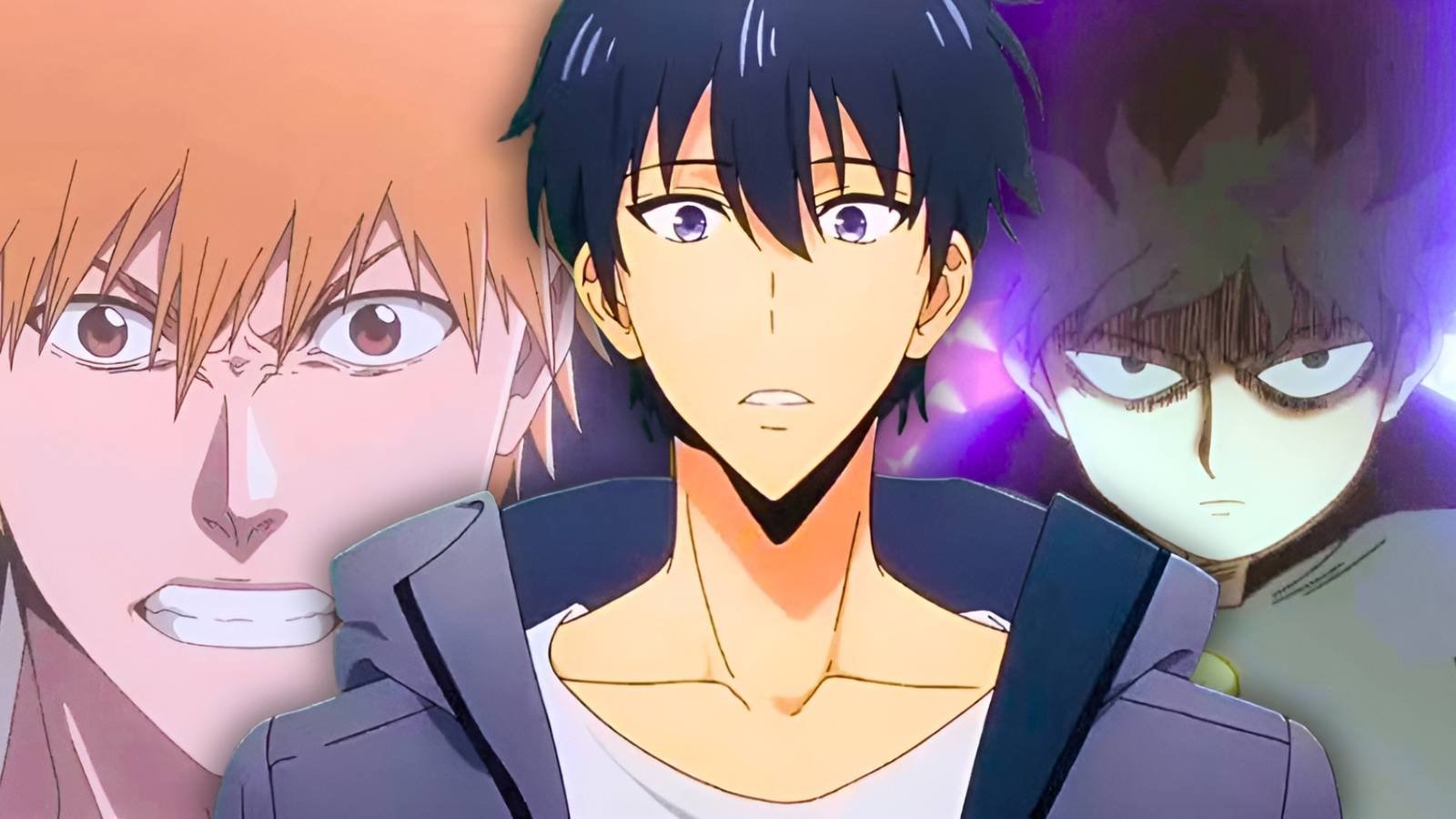
For every anime that successfully combines intense action with intense romance, there are ten anime that can’t seem to do both. Usually, the more action-packed an anime is, the more insignificant its romance aspects will be. A great many shows that promise grand worldbuilding and epic stakes treat romance like a background decoration. They either tease, ignore or quickly forget all about it when the swords start swinging. Solo Leveling is the best example of this imbalance. It’s a visually stunning power fantasy that completely falters when it tries to explore romantic connection.
It has everything in terms of struggle and growth, but its relationships lack the same fire that propels its action. This same flaw affects a lot of the other anime, including Attack on Titan and Bleach, where intense connections are replaced with awkward tension or romantic storylines that fizzle in the middle of an arc. These worlds already have courage and passion in them; adding romance could contribute to their depth, adding warmth to the chaos and turning heroes into people instead of just symbols.
Solo Leveling Could Use a Beating Heart
Solo Leveling captures the thrill of transformation like few other modern anime can. Sung Jin-woo’s evolution from an incapable hunter to the strongest living being is nothing but wish fulfillment, but love is barely treated similarly in the series. Jin-woo’s relationship with Cha Hae-In should have been an emotional anchor, but their relationship unfolds almost entirely off-screen. It’s as if the story gained every skill point in combat, but skipped the entire romance tree.
The anime’s fast pace doesn’t help either. Every potential tender moment is overpowered by a fight against a monster, or a dungeon raid. Even in moments of quiet between the two characters, the action overwhelms before their chemistry has time to take a breath. What a tragedy, as beneath all the non-stop power-ups is a character that yearns for human connection.
Humanity’s Fight for Survival in Attack on Titan Leaves No Room For Love
Attack on Titan offers some of the most expansive storytelling in anime, but its treatment of romance is unexpectedly restrained. Eren and Mikasa’s relationship is arguably the longest emotional theme in the series, but their trauma and duty is a barrier to their love truly flourishing. Mikasa’s loyalty feels tragic, while Eren’s lack of closeness turns each near-confession into heartbreak.
The tone of Attack on Titan allows little room for softness. In a world where man is constantly fighting extinction, love seems almost beside the point, and that is exactly why it’s so obvious that it’s not there. When so much of what drives the story rests on sacrifice and loss, love could have provided moments of hope. Instead, affection is muted, often replaced by pain and regret.
Romance Gets Left Behind in Demon Slayer
Demon Slayer is excellent at evoking emotion, and has great emotional stakes. However, romance is an area where it falls flat. Tanjiro’s compassion, Nezuko’s devotion, and even Zenitsu’s enduring affection all create the façade of genuine emotional connection, but none actually develop into romantic love. All of these are unexpressed sentiments, treated either comically or tragically. Even Zenitsu’s infatuation with Nezuko plays more for laughs.
Tanjiro’s heart is completely filled with his sister and mission, he has no room for romance to begin with. Even when the story touches the subject of love, it’s through temporary supporting characters who are here and gone too quickly to be of any significance. A properly nurtured romantic subplot could have carried its emotional impact even deeper. In a story about humanity’s struggle against darkness, love should have shone a little brighter.
Vinland Saga Could Use a Softer Side
Vinland Saga is anime’s best exploration of violence and redemption, but love barely exists in its world. Thorfinn’s existence is one of survival and hatred, not tenderness or love. Its few female characters are symbolic, and barely have any emotional significance. It’s no surprise that love plays second fiddle in such a dark world. Thorfinn’s entire journey is about ending the cycle of revenge and living with himself.
Nevertheless, a love story, no matter how small, would have given him a spark of humanity. Affection, or even heartbreak, could have made his change complete in an even more fulfilling manner. The anime thrives on repression of emotions, but that very restraint cuts its possibility of conveying love short. A story so rooted in anguish could have benefited from some moments of warmth.
Sword Art Online Lost Its Romantic Spark
Sword Art Online‘s initial appeal came from its romance. Kirito and Asuna emerged as one of anime’s iconic couples, but their spark eventually fizzled. Subsequent arcs relegated their relationship and romance to the sidelines, instead introducing new worlds, new characters and ever-repeating tournament-style conflict. The issue isn’t that their love was lost; it’s simply that it stopped growing.
What began as a genuine connection became an afterthought, lost under spectacle. Asuna’s character, once so crucial, was relegated to support and rescue missions, disrupting the balance that made their early chemistry so compelling. Sword Art Online proved that romance could thrive under an action-driven plot, but the anime also showed just how quickly romance can be discarded when passions shift. The foundation is set, it just has to be built upon.
Tragedy Overshadowed the Tender Moments in 86
86 is an incredible work that highlights war and empathy, but its romance is overshadowed by sorrow. Shin and Lena’s relationship had all the qualities to become a monumental love story. Yet, the series mostly would not leave the two alone in the same space long enough for anything to develop. Their love is based on radio signals, whispers through static and promises that always seem slightly out of reach.
The emotional foundation is stunning, but the narrative’s loyalty to heartbreak leaves little room for warmth. Whenever the anime approaches intimacy, another fight or sacrifice disrupts the momentum. The outcome is a romance that is charming but unfinished, a beautiful love letter that is never delivered. Restraint is alluring, but 86 pushes that restraint to a heartbreaking point.
Parasyte: The Maxim Is a Brilliant Story Too Cold For Love
Parasyte: The Maxim is unsettling, intellectual and endlessly thought-provoking, but ultimately emotionally detached. Shinichi’s transition from a regular teenage boy to something less than human is one of the most disturbing evolutions in anime. However, the show’s tendency to discuss love doesn’t seem to be as strong thematically. Murano’s feelings for Shinichi could have anchored the story’s humanity, but their relationship often feels one-sided.
The series uses romance to symbolize what is at risk, but that choice has consequences. The emotional tension never reaches its full potential, resulting in an undeveloped human heart in a story about being human. Ultimately, the absence of romance in Parasyte makes sense in terms of the plot, but love might have been the contrast that allowed for more depth in its horror.
Mob Psycho 100 Stops Short of Connection
Mob Psycho 100 is a rare series that is funny and deep. Unfortunately, in spite of its emotional depth, the romance subplot doesn’t go anywhere. Mob has a quiet crush on Tsubomi early on that lingers throughout the story. However, it never becomes anything outside occasional awkward glances or silence. This makes sense with Mob’s shy character, but while everything else grows emotionally deeper, that one thread stays stuck.
It’s clear how well Mob Psycho 100 understands emotional growth. Mob learns to confront his fears, connect with people and use empathy to control his abilities. However, when it comes to love, the same sense of progress doesn’t quite come together. The story ends up feeling complete in every way except that one.
Bungou Stray Dogs Dodges Emotional Depth
Bungou Stray Dogs is full of personality and literary flair, yet, when it comes to love, the series leaves everything to die in the dark. The anime has rich connections and emotional tension, but won’t label any of them as love. Atsushi and Kyouka’s forming connection might have been a gentle emotional cord, but it’s treated more as companionship than love.
Likewise, Dazai’s relationships always circle around loss and obsession, never warmth. The show’s biggest emotional strength lies in its themes of redemption and identity, but romance could have added balance to that intensity. The characters are constantly fighting inner battles, but they never allow themselves to heal with love. Even when the chemistry is evident among characters, the story cuts away before it can develop further.
Bleach’s Characters Never Fully Realized Their Chemistry
After years of building one of anime’s most vibrant worlds and most recognizable characters, Bleach‘s romantic tension went unfulfilled. The connection between Ichigo and Rukia was brilliant from the start, but the anime never allowed a relationship to blossom. Instead of leaning into what made their connection so vibrant, the story ignored it altogether.
Rukia was pushed to the sidelines for long periods of time, and Ichigo’s focus remained more on fights than on feelings. Even later relationships, like that of Ichigo and Orihime, were half-formed and felt like they were introduced in an attempt to tie up loose ends. It’s not that Bleach needed a grand love story; it just needed follow-through. For a show where every fight carried emotional weight, its romantic moments were strangely hollow.