Anime Wasn’t Better When You Were a Kid – You’re Just Old, Sad, & Nostalgic
The anime industry has gradually evolved and changed over the decades, and so have its fans. An anime fan will be a whole different person from their childhood to adulthood, and that means their relationship with anime, both familiar and new series, will evolve as well. This can be a source of bitterness for some fans, but it can also provide some perspective and help people meditate on who they are and how they’ve changed.
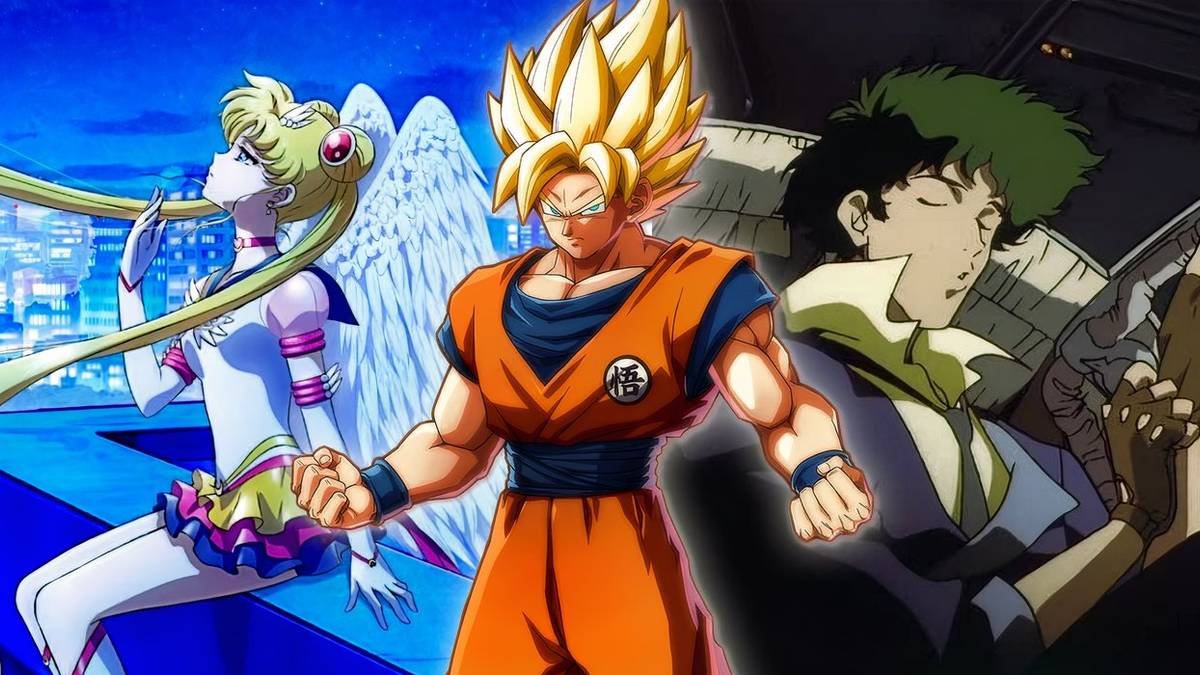
This effect is deeply rooted in nostalgia, most of all for Millennial and younger Gen X fans who have long since left behind the glory days of Toonami and bootleg VHS tapes of 1980s and 1990s anime. For the most part, the anime industry is stronger and better now, yet adult anime fans in their late 20s and beyond feel wistful nostalgia for an era they can’t get back. Those fans may be tempted to say anime was better in the days of meeting TOM on Toonami to watch Dragon Ball Z after school, but anime wasn’t better or worse back then — it just meant something different to its young viewers. Now those viewers are grown up, and that means they can embrace anime in a whole new way.
Anime Felt Better When it Was Fresh and New in the West
Nostalgia is a powerful force, including in the realm of pop culture and entertainment, and certain types of media or franchises may help define an era or decade. As far as Western anime fans go, nostalgia may be at its strongest for Millennial and younger Gen X fans, since they were at the forefront of anime’s rise in the West. Strictly speaking, Japanese anime has had a presence in the West since the 1960s, such as with Speed Racer, meaning even the Baby Boomers can say they grew up with anime.
However, anime’s presence in the West was fairly weak in the 1960s through 1980s, with series often being watched through expensive bootleg and other unofficial means. Anime wasn’t that big on the airwaves, and manga wasn’t prominent on bookshelves, until the 1990s came along. By the late 1990s, fans had Toonami to introduce them to anime, and that might be called the dawn of anime’s golden age in the Western world.
This is how Gen X and Millennials can claim they are the first true generations of anime fans, with them being right there as anime finally became a force to be reckoned with. It was a historically unique time, because while any year or decade can have its own iconic anime series or internet-breaking moment, there can only be one first wave of anime. Today, anime is totally mainstream around the world, including in the West, and younger fans can take its presence for granted. Meanwhile, younger Gen X and Millennial fans had the once-in-a-lifetime experience of watching anime rise to power through Toonami and Adult Swim, and that’s definitely something to be nostalgic for.
On one hand, anime fans of all ages can celebrate how well-entrenched this medium has become in today’s Western world, with easy access to anime via streaming platforms like Crunchyroll and Netflix. Not to mention the proliferation of printed manga volumes, DVDs, and merchandise like Funko Pop figures and wall scrolls, among others. This is a huge gain overall, yet older anime fans might miss the days when anime felt like their niche hobby. So long as this doesn’t slip into outright gatekeeping, it’s understandable for these older fans to feel wistful about when anime more or less belonged to them. Gen Z, as a whole, can’t say it was at the forefront of anime’s rise with Toonami, but Millennials can, a unique claim that may make any Millennial anime fan feel like they have a badge of honor in that regard.
Toonami-Era Anime Comes From Simpler, More Innocent Days For Anime Fans
Being an anime fan is a nostalgic thing not just for the generations born in the 1970s through early 1990s, but also for individuals. Any anime fan, including Zoomer anime fans, can look back on their own childhood and anime’s presence in it. This creates a sympathetic bias toward the pop culture consumed in one’s childhood, a phenomenon that extends beyond anime and includes mainstream movies, TV shows, music, comics, and more. Childhood and adulthood are different phases in life with different perspectives, and adults will view their childhood media with a wistful and generous lens. That’s partly because fans will associate their favorite fiction with the innocence and simplicity of youth. Of course, not everyone’s childhood was necessarily innocent and carefree, but when that is the case, anime is strongly attached to those sentiments.
In the case of anime nostalgia for fans of any generation, watching Japanese animation is simply part of the childhood package, where life was easy and fun. To name a major example, Millennial anime fans will fondly look back on the glory days of Toonami, associating its offerings with the fun and simplicity of childhood in the 1990s through the early 2000s. Those were the days of collecting Pokémon cards and trading them at school as first-generation fans, not to mention getting Pokémon toys and other goodies in Happy Meals and the like at fast food restaurants.
This doesn’t mean the anime of the day were factually better than what today has to offer, but through a combination of childhood nostalgia and the fact Toonami showed Westerners the cream of the crop, it felt like the early 2000s anime landscape couldn’t be beat. Most Millennials are in their 30s now and may have kids old enough to watch anime as well. Both generations have strong offerings to choose from, such as My Hero Academia and Dandadan. Still, to these 30-something parents, nothing can replicate the historic magic of being introduced to Dragon Ball Z, Pokémon, and Yu Yu Hakusho with TOM there to show everyone the way.
Adult Anime Fans Now Relate to Bitter or Nostalgic Anime Characters
Childhood nostalgia may make any adult anime fan feel warm and fuzzy as they think back to their carefree Toonami days, and conversely, these same fans may feel bitter about where they ended up. As a whole, people become more bitter and scarred by the reality of adult life and the adult world, some more than others, and it can make anyone wish they could be 10 again. The closest anime fans can get is to rewatch their childhood favorites and wish they were back in those old days, and the nostalgia can help take the edge off the woes and hardships of adulthood. That can make anime from the good old days feel happier and better than today’s offerings, but that’s only part of the picture. Today’s Millennial and Gen X anime fans can’t go back to their childhood, but they can do the next best thing: embrace how some parts of the anime industry have grown up with them.
Anime fans in their 30s and 40s can no longer identify much with fresh-faced teenage heroes in shonen and shojo anime. Those characters, such as 12-year-old Naruto Uzumaki or 10-year-old Ash Ketchum, still have their whole lives ahead of them, and they have the unique innocence and fresh attitude of youth, more or less. Those young heroes may not be entirely free of baggage or scars, but they still have fewer concerns than adults busy with their grown-up lives. So, it’s tempting for adult fans to feel bitter about this and wish they could return to the childhood days when they related to these young heroes, but there’s a more realistic route to take. Any nostalgic anime fan can appreciate their experience with anime while also making the most of what they have now.
Today’s anime leads still tend to be youths with their whole lives as a blank canvas to draw on, such as Tanjiro Kamado and Izuki Midoriya, but anime has room for adult heroes and characters, too. This may not be a new concept, but adult fans can appreciate it more than ever, and plenty of modern series provide it. Anime such as Kaiju No. 8, Jujutsu Kaisen, and Chainsaw Man feature heroes or supporting cast members who are in their 20s or beyond, with a lifestyle and perspective to match. This can help balance things out in a nostalgic anime fan’s mind, a heartfelt way to remind them that today’s anime is just as good. Those fans no longer need Ash Ketchum or Gohan to root for — they have the hard-working Kafka Hibino, the jaded Millennial Kento Nanami, and the work-weary Himeno.
Such characters have all the makings of a shonen anime hero while also adding much-needed adult voices to shonen anime, making them a refreshing novelty for some viewers and strongly relatable for others. Those characters know what it’s like to lose the innocence and simplicity of childhood, bearing their scars with strength and dignity while applying hard-won life lessons. These characters have experience and wisdom to share as adults who have been around the block a few times, ensuring every generation of anime fans has someone who understands them and represents on the small screen. It’s as good an antidote to painful nostalgia as any 30-something anime fan can ask for.