10 Classic Anime All True Fans Must Watch
There’s a noticeable difference between loving anime and truly understanding it. The former is relatively easy; the medium is already a bubble full of dazzling visuals and spectacular stories that anyone can fall for. The latter, however, requires taking a step back and experiencing the shows that represent the industry’s creative foundation.
Long before streaming services became mainstream and served endless simulcasts of shows, these handful of anime series and films reimagined the boundaries of animated expression in every ramification. These shows were not just “good for their time.” They became the building blocks for what the world now recognises as animated excellence.
From the bizarre dreamscapes of Serial Experiments Lain to the achingly human touch of Haibane Renmei, these titles have shaped not just anime but pop culture as a whole. As such, if you’ve managed to skip these anime somehow, you’re undoubtedly missing out on the foundation of the medium itself.
10
Haibane Renmei (2002)
At first glance, Haibane Renmei appears to be a gentle and unassuming tale of quiet angels living ordinary lives in a walled town. However, beneath its calm surface lies one of anime’s most profound reflections on guilt, forgiveness, and rebirth. Directed by Yoshitoshi Abe, the show maintains a tranquil tempo throughout.
It uses its silence like no other. Like the conductor of an orchestra, the show relies on silence to accentuate every pause and subtle gesture. The story revolves around the “haibane,” beings with halos and fragile wings, who live under unexplained rules. The protagonist, Rakka, is also no exception.
Having awoken with only a vivid sensation of falling, she struggles to understand her place in the world before her eyes, and from her confusion, the tale unfolds like a slow spiritual reckoning. There’s no exposition dump, no clear answers, only empathy.
Yet, this is precisely why the show is so devastating. With a pastel-like tone and modest animation that belie the weight of its themes, Haibane Renmei is proof that genuine connection needs no spectacle.
9
The Tatami Galaxy (2010)
Few anime capture the chaos of early adulthood like The Tatami Galaxy. Directed by Masaaki Yuasa, it’s a dizzying monologue wrapped in surreal visuals and alternate timelines, told from the protagonist’s perspective, an unnamed college student who keeps reliving his university years, each time more convinced of an alternately perfect life, only to end up disappointed.
In itself, the show is less about plot and more about perspective. Director Yuasa’s direction turns what is a mundane campus life into a circus of repetition and regret. With distorted frames, spinning walls, and a narration that races faster than you can read, the story pulls its audience into its protagonist’s anxious headspace.
However, beneath all of its visual chaos is a message so clear and so painfully human: the fear of wasting your potential and the illusion that there’s a perfect version of yourself somewhere else. Ultimately, The Tatami Galaxy tells a tale that demands focus, and it rewards that focus with the brutal honesty of our own humanity.
8
Berserk (1997)
Despite having become a cautionary tale of endless hiatuses, Berserk remains the blueprint for the entire dark fantasy genre as we know it. The 1997 adaptation of Kentaro Miura’s hit manga is hardly flashy, but raw and very deliberate, given that it sacrifices fluid animation for an eerie atmosphere of harsh shadows and a stifling sense of doom.
At the story’s core is Guts, a mercenary whose strength can’t shield him from the storms of fate. Unfolding like a Greek tragedy, his relationship with Griffith and the Band of the Hawk, beginning with a dream inspired by loyalty and ambition, culminates in a nightmare of blood and vengeance.
The soundtrack, with its haunting medieval chants and minimalist synth, nails the story’s tone of inevitability. When the Eclipse arc hits, the horror hits harder precisely because everything that came before felt grounded. By the time its final credits roll, what you’ll have seen will not simply be the fall of a hero, but the birth of one of anime’s most haunting legacies.
7
Monster (2004)
Monster remains one of anime’s most profound explorations of existential ideals, told through a layered sense of dread and moral unease. Adapted from Naoki Urasawa’s titular manga, the story revolves around Dr Kenzo Tenma, a Japanese surgeon in Germany, whose decision to save a boy’s life spirals into years of haunting trauma.
The boy saved, Johan Liebert, grows into one of anime’s most disturbing villains, not because he’s powerful, but because he’s persuasive and chillingly so. Directed by Masayuki Kojima, the series moves slowly, unravelling Dr Kenma’s violent conspiracy with deliberate precision, with each episode feeling like peeling off another layer of guilt, ethics, and identity.
Visually, Monster style is minimalistic. It relies on realism to amplify the tension the characters elicit. Every expression, every pause matters. By the end of the series, what you’re left asking is not “who’s the monster?” but “how far would I go to remain human?”
6
Perfect Blue (1997)
Long before psychological thrillers became trendy in anime, Perfect Blue had already paved the way. Being Satoshi Kon’s directorial debut film, Perfect Blue is an incisive exploration of fame, identity, and the disintegration of self in a digital world, at a time when social media and global digitalization were still in their infancy.
The story follows Mima, a pop idol, whose decision to quit music and pursue acting becomes the catalyst for her reality to unravel. Dealing with obsessive fans and her own insecurities blurs the lines between her reality and the illusions of her mind.
Beyond the show’s striking plotline, Kon utilizes editing as a form of storytelling, with scenes spliced and folded into one another until the viewer, like Mima, can’t tell what’s real and what’s not. Honestly, it’s unsettling, not because of the gore, but because of how plausible every action feels.
The pressure to perform, to be perceived, to live multiple identities, all of which feel even more relevant now. Ultimately, Perfect Blue isn’t just a thriller, but a mirror for the modern era. Every frame, every cut is purposeful, making it one of anime’s most disturbing and essential films.
5
Serial Experiments Lain (1998)
Serial Experiments Lain is the closest anime has come to predicting the future. Released in 1998, it explores the blurring line between the physical world and the digital, and how identity fractures when both collapse.
Lain Iwakura, a quiet schoolgirl, is pulled into “The Wired,” a proto-internet space where consciousness and code merge. The series unfolds like a digital fever dream, with muted colours, fragmented dialogue, and eerie sound design that hums like an overworked server. It’s cryptic but deliberate, a show about loneliness, connection, and the price of total connectivity.
What makes Lain extraordinary isn’t its plot; it’s foresight. It asked questions about online identity decades before they became real-world problems, almost prophetically. For anyone curious about how anime can tackle philosophy and technology without losing its human core, Lain is essential viewing.
4
Ghost in the Shell (1995)
Few films have shaped science fiction as powerfully as Ghost in the Shell. Mamoru Oshii’s adaptation of the titular manga didn’t just influence the genre; it rewired how anime could explore technology and the human condition.
Major Motoko Kusanagi’s quest for identity in a cybernetic body transforms what could have been a standard cop story into an existential meditation on what defines humanity. The film’s haunting visuals, rain-soaked neon, industrial sprawl, and weightless motion are so iconic that they inspired The Matrix and countless others.
But Ghost in the Shell isn’t cold. Beneath the tech jargon lies melancholy, the ache of being conscious yet uncertain of self. Every pause, every shot of the city is deliberate, reflecting isolation in a world drowning in information. Nearly 30 years later, the anime’s questions surrounding AI, autonomy, and consciousness remain more relevant than ever.
3
Cowboy Bebop (1998)
Cowboy Bebop is a fusion of style and substance in animated art. Shinichirō Watanabe’s space-western hybrid blends jazz, noir, and existential melancholy into something timeless.
Each episode, or “session,” tells a self-contained story, yet every frame builds toward something bigger: a portrait of drifting souls running relentlessly from their pasts. Spike Spiegel, Faye Valentine, Jet Black, and Ed aren’t heroes; they’re survivors. Their chemistry, banter, and quiet loneliness make the Bebop crew one of anime’s most beloved found families.
Yoko Kanno’s jazz soundtrack gives the show its heartbeat, dynamic, spontaneous, and alive. The action is slick, but the silences hit harder. Cowboy Bebop didn’t just redefine anime; it proved that storytelling could be limitless through its style. Watching it now reveals the blueprint for every “cool” anime that came after. Some shows age; this one matures.
2
Akira (1988)
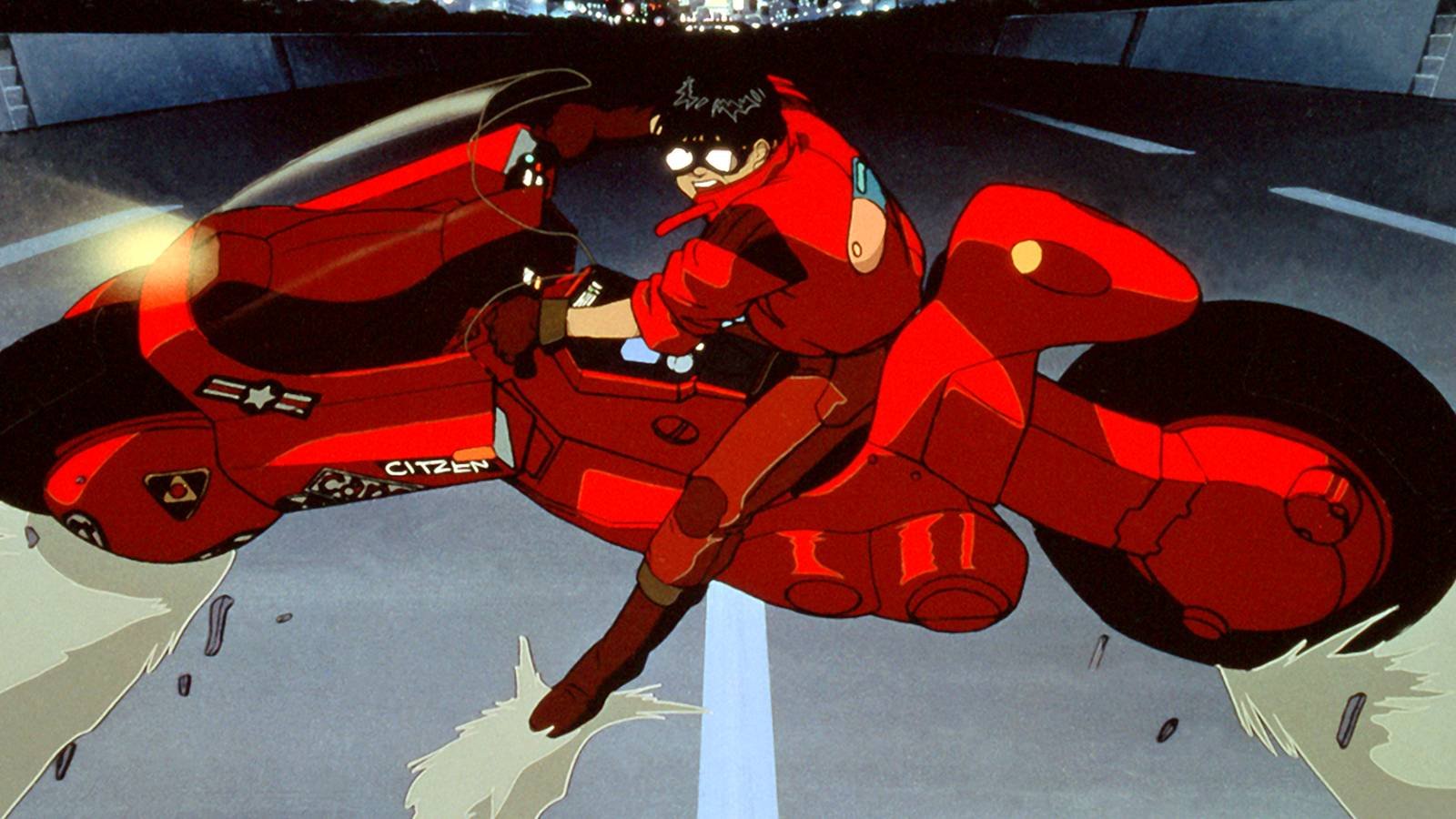
Akira isn’t just an anime film; it’s a cinematic event that changed the course of global animation forever. Katsuhiro Otomo’s cyberpunk epic transforms post-apocalyptic Tokyo into a symphony of motion and chaos. Every frame was hand-drawn with obsessive precision, over 160,000 cels in total, and it shows.
Beyond its technical triumph, Akira is a brutal story about power, adolescence, and collapse. Tetsuo’s transformation from a weak kid to a godlike threat isn’t heroic; it’s horrifying. The film’s neon-drenched cityscapes and surreal imagery became a shorthand representation for cyberpunk itself.
What keeps Akira alive isn’t nostalgia, it’s urgency. Its commentary on political corruption, youth anger, and the dangers of unchecked progress still feels painfully modern. It’s a rare film that still feels both monumental and personal.
1
Neon Genesis Evangelion (1995)
Few anime have transformed the medium as powerfully as Neon Genesis Evangelion. What starts as a mecha series quickly unravels into a raw psychological exploration of depression, trauma, and human connection. Under Hideaki Anno’s direction, battles become metaphors, and moments of silence speak louder than words.
Its cast, including Shinji, Asuka, Rei, and Misato, aren’t quintessential characters but messy, frightened humans. The Angels aren’t merely enemies; they’re mirrors. And when the series caves under its own existential weight, it does so deliberately, reflecting the creator’s own unravelling.
The animation’s rawness becomes part of its power. Endings were controversial, budgets ran thin, yet the result remains unmatched. Evangelion doesn’t just entertain, it interrogates why we watch at all. If anime has a canon, this is the cornerstone, flawed, powerful, and unforgettable.