10 Anime Miniseries That Are Perfect From Start to Finish
Long anime are rich and epic, such as One Piece, and medium-length anime like My Hero Academia are a great middle ground between short and long anime. Then there’s the realm of miniseries, those that don’t exceed 13 episodes in length as the ultimate expression of “short and sweet.” Anime like Your Lie in April and Cowboy Bebop may be short and awesome, but miniseries can be just as good, if not better.
Some of these miniseries anime are already finished after just a few episodes, and others have the potential to continue but are sitting on just one short season for the moment. For now, they are some of the tiniest and most delightful anime of all, and none olf them drop the ball or forget what makes them so special. These anime deliver the goods in each episode, and they all make for a great binge in an afternoon or evening, too.
FLCL is Great For Fans of Experimental Anime
The semi-obscure little anime FLCL, or Fooley Cooley, is one of the finest example of an anime miniseries competing handily with longer, more epic anime like Jujutsu Kaisen and Attack on Titan. The events in FLCL are goofy and irreverent, which means this anime isn’t particularly profound, but it’s also a refreshing break from serious anime or endless high school romances.
FLCL is also one of the more experimental anime out there, and fans might say that today’s anime landscape plays it too safe by contrast. Today’s anime may be shiny and make the most of their genres, such as Demon Slayer, but they aren’t boldly wacky and fun like FLCL is in its small handful of episodes. That’s what helps make FLCL feel like a cult classic that doesn’t need multiple seasons to be entertaining. It does have seasons beyond the first, but in the eyes of many fans, that doesn’t even count — this is all about the original FLCL experience.
Bocchi the Rock! is a Shorter and Even Better K-On!
The “cute girls doing cute things” concept lends itself well to charming anime like K-On! and Laid-Back Camp, leisurely anime that focus on the female leads enjoying their hobbies for the sake of it. K-on! helped define an era as Yui and her classmates made some music, and now it’s Hitori Gotoh’s turn in Bocchi the Rock!. This anime delivers on the comedy and music as the Kessoku band takes shape, but there’s still more to it.
Hitori’s overwhelming social anxiety drives much of the humor while also giving her a sympathetic personal challenge to overcome as a skilled musician. Hitori is good at what she does, but she needed obstacles beyond typical band problems to make her a lovable underdog. Sure enough, Hitori’s social woes are written to be funny but not distasteful, making it clear that social anxiety is more than a mere personality quirk for humor’s sake.
Chainsaw Man Packs a Lot of Dark Subversion Into Just 12 Episodes
Chainsaw Man has a well-earned reputation for being one of the most subversive anime out there, and it didn’t take long for the anime to make that clear. Both for the sake of mocking the shonen playbook and to get the plot moving, Chainsaw Man is lean and mean. It’s an easy anime for anyone to get into if they’re prepared for what this twisted shonen title has to offer.
In the span of just 12 action-packed installments, Chainsaw Man‘s first season blew fans away and left them wanting far more as Denji’s bizarre struggles begin. What’s interesting is how Denji has already come a long way as a half-other hero, while also having a long road ahead of him in terms of finding personal happiness, making money, and figuring out who he is and what he stands for. The Reze arc movie may help, or it may just compound Denji’s woes, which is certainly a trend.
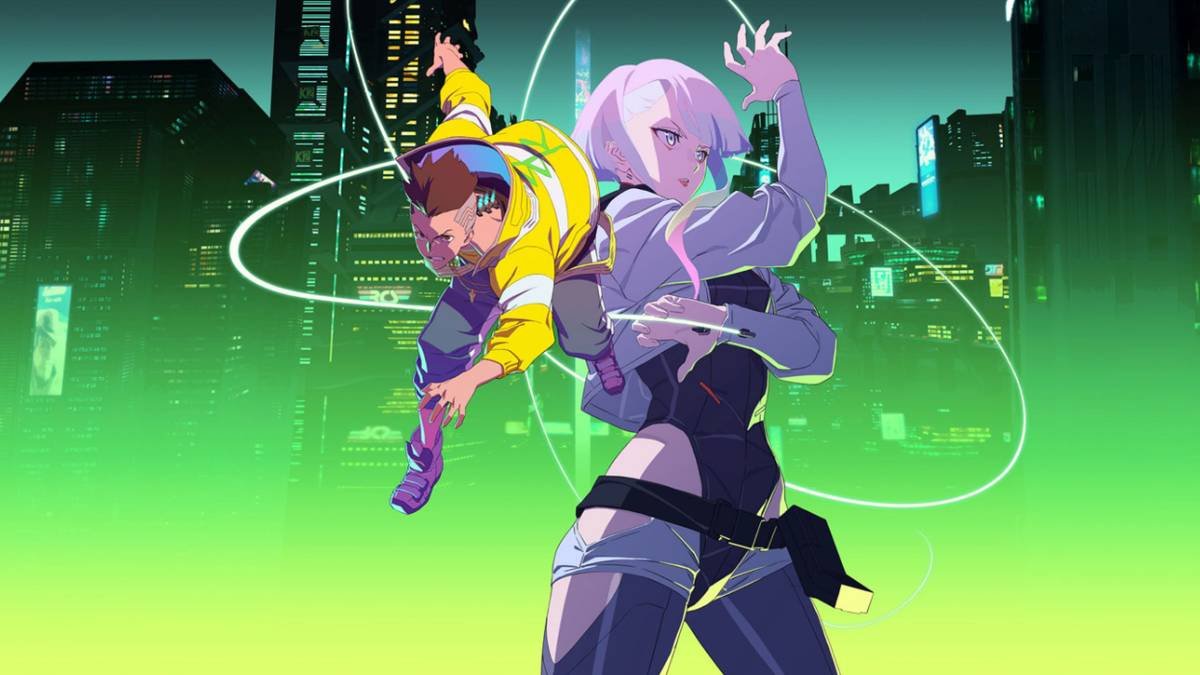
Cyberpunk: Edgerunners Shows How Crime Doesn’t Pay, Even in the Future
Some anime are short and sweet, such as various comedy or romance titles, while the likes of Cyberpunk: Edgerunners is short and dark. Stories like Vinland Saga, Berserk, and Attack on Titan take their time challenging the heroes to overcome darkness and trauma before finding happiness, but Cyberpunk: Edgerunners is the weird opposite. This sci-fi anime actually crushes its heroes with darkness, and does so sooner than later.
One takeaway of Cyberpunk: Edgerunners is that futuristic cities overrun by crime are predatory jungles, and even if crime feels like the only way to get ahead, crime doesn’t pay. The likes of Vinland Saga are grim yet inspiring, but Cyberpunk: Edgerunners is more like a comment on society, suggesting that everyone will be overwhelmed by the merciless system in the end. That’s the price everyone pays for allowing technology and powerful corporations to become the dominant players.
Terminator Zero Has Room For Fresh, Shocking Plot Twists With Judgment Day
The main problem with the ever-expanding Terminator franchise is how certain characters and plot events are tangled up in a web of time travel, forcing certain things to either happen or never happen in confusing paradoxes. In the 1990s, some Terminator comics broke free from the tricky continuity with new characters and new struggles, but those comics are now obscure to all but the most devoted Terminator fans.
More recently, the anime industry gave fans another fresh angle of the Terminator franchise with the Terminator Zero anime. It seems to have more plot twists than episodes, but still manages to carve out its own niche in the franchise without stepping on the movie’s toes. Best of all, the Terminator Zero anime catches fans off-guard when the new AI Kokoro asks whether humanity is worth saving from Judgment Day, allowing fans to analyze this franchise in a new and more exciting way.
Zom 100: Bucket List of the Dead is Darkly Funny and Has Creative Visual Flair
So far, Zom 100: Bucket List of the Dead is one of the best genre deconstructions in anime, and it pulled that off in just a few episodes. In fact, just Episode 1 of Zom 100 makes its central premise wonderfully clear as Akira Tendo enjoys the downfall of civilization. That twist alone makes it clear Zom 100 has harsh words to say about how modern work life can make anyone feel like the living dead.
Zom 100 keeps it up as Akira continues exploring the zombie apocalypse, creating an uneasy yet fun atmosphere of freedom and horror blending together. It helps how the anime censors the gore and makes it more meaningful by depicting blood as colorful paint, showing how zombie violence was the price to pay for Akira living a freer life where the world seems so colorful now.
My Hero Academia: Vigilantes Explores the Ethics of Amateur Justice
The original My Hero Academia anime makes good use of its runtime to depict the unexpected pitfalls and personal woes of a superpowered society. Topics like double standards for Quirks and Quirk marriages are explored, but the anime also spends a lot of time on familiar shonen beats, such as a sports festival tournament. That’s why fans need My Hero Academia: Vigilantes to expand the thematic depth.
This anime hits hard from the start, depicting vigilantes as ethically fuzzy third parties between pro heroes and villains, most of all with Knuckleduster and Koichi himself. It raises some questions about who should fight crime and why, not to mention the strong theme of the unfair division between pro heroes and vigilantes. In the old days, all heroes were vigilantes, but shallow popularity contests made all the difference, and people like Knuckleduster can’t accept that. It’s yet another shocking and thought-provoking note on how the corrupt pro hero system came to be.
No Game No Life is the Ultimate Isekai For Gamers, Even Chess Players
Anime fans are used to isekai anime that make the hero totally overpowered, such as Tensura and Overlord, and other isekai make the lead a vulnerable underdog, such as Re:Zero and Ascendance of a Bookworm, while No Game No Life is the essential middle ground. The anime did not power up Sora and Shiro into magical powerhouses, but it did thrust them into an isekai world where games and smarts count for everything.
This anime deserved far more seasons, but curious isekai fans can make the most of No Game No Life‘s sole season as an example of isekai done right. High-IQ game stories are always fun because there’s no telling how and when the heroes will win, since brute force counts for nothing here. The anime begins strongly with Sora and Shiro accepting an unexpected challenge to shake up their routine life, and the anime has a delightful open ending so anime fans can amuse themselves imagining what must come next.
Monthly Girls’ Nozaki-Kun Perfected the Slice-of-Life Concept
Slice-of-life anime are often content to just explore familiar settings like high school or the workplace in an open-ended narrative, but some SOL anime feel like more than routine mediocrity. One of the stronger offerings in this genre is Monthly Girls’ Nozaki-Kun, which delivers some of the wittiest, most unpredictable humor ever seen in a slice-of-life high school anime series.
Monthly Girls’ Nozaki-Kun has the edge because it focuses on the joys of creating art and personal expression, such as with Umetaro Nozaki’s shojo manga and his friends’ aid in crafting that same manga. This franchise also allows the characters to use stage play rehearsals to express both who they are and who they want to be, which may be quite meaningful for some anime fans. And the whole time, it’s hilarious how the romance tries and fails to take off, most of all with Chiyo Sakura herself.
Wotakoi Excels as an Office Romance Glorifying Otaku Culture
Wotakoi: Love is Hard For Otaku is another slice-of-life miniseries that absolutely makes the most of its simple premise. Fans may point to how Wotakoi is a welcome break from endless teen-centric SOL stories, since it takes place in the workplace and features 20-something characters. What’s even more profound is Wotakoi‘s themes of personal acceptance and the pressures of societal norms.
The office worker protagonists, most of all Narumi Momose, feel the strain of hiding their passion for otaku culture while fitting into mainstream society. These characters need to express themselves in authentic ways, but can only do that with each other, and only carefully do they reveal their hobbies to everyone else. This is no doubt highly resonant for any viewer who fears they’re misunderstood or made fun of because of the things they like and do, not unlike My Dress-Up Darling. All this ties neatly into the romance, too, with Narumi and Hirotaka Nifuji understanding each other while also contending with their vulnerabilities.