10 Terrible Anime Characters That Are Still More Well-Written Than Sung Jinwoo
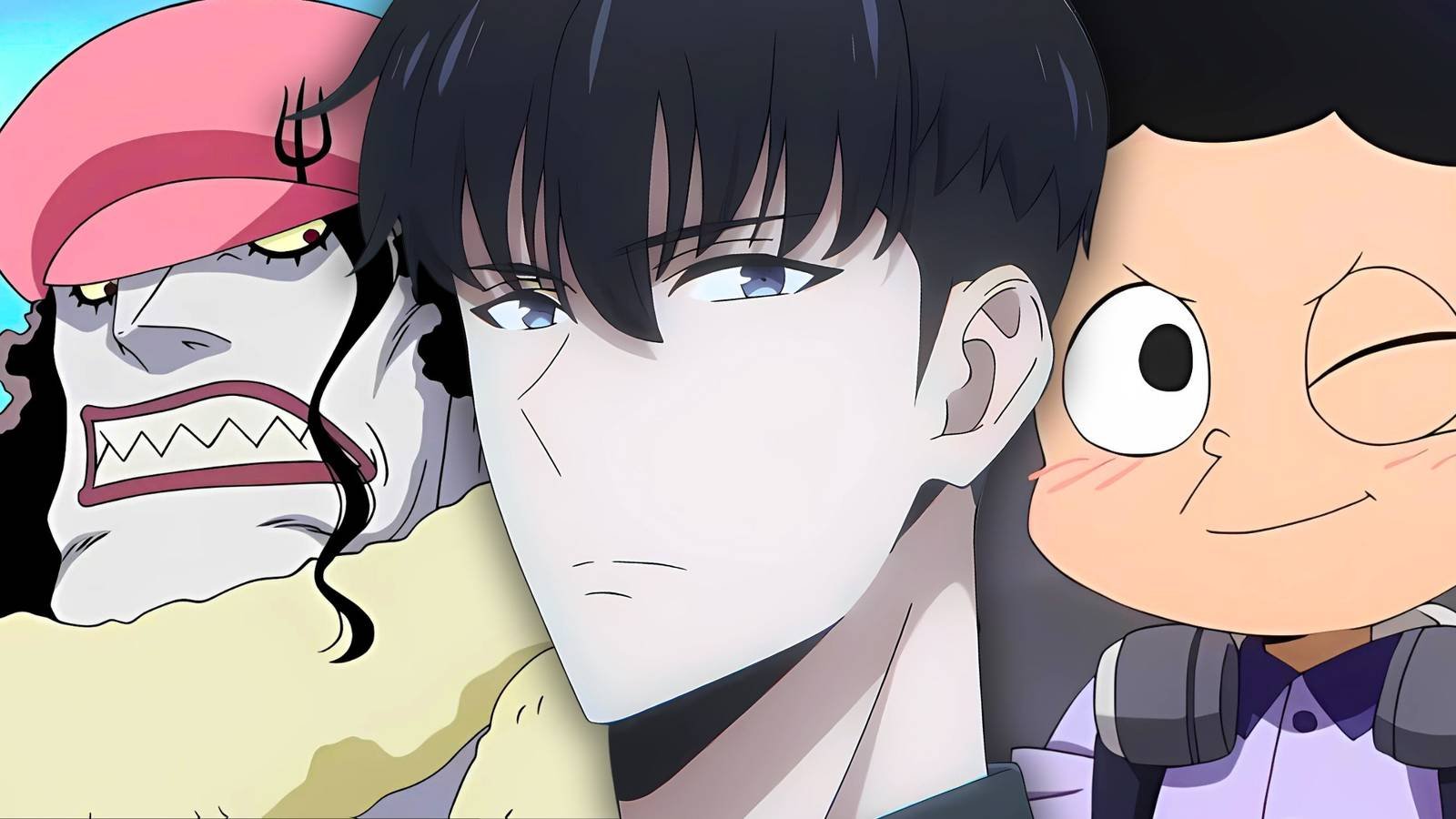
An anime character may not absolutely need good writing to be fun to watch, as Solo Leveling‘s Sung Jinwoo shows, but good writing sure does help. Solo Leveling has become divisive for a number of reasons, including the design of Sung Jinwoo himself, most of all in terms of writing. Fans may not like how the anime version of Sung Jinwoo feels a little different compared to the light novel version, and they can rightly say Sung Jinwoo’s writing is not up to snuff.
Sung Jinwoo excels with animated action and sheer aura farming, but plenty of anime fans ask for more than that. Even forgettable or silly anime characters have stronger writing than Sung Jinwoo does, usually by symbolizing a theme of having a meaningful connection to someone else in the story. These “meh” anime characters also have strong writing if they are designed to contrast with someone else and make them feel that much more interesting by comparison.
Zenitsu From Demon Slayer Embodies Faith in One’s Own Training
Zenitsu is far from a bad person in Demon Slayer‘s story, but fans can also say he’s not a particularly good character by design. Zenitsu is notorious for his whining and panicking, which annoyed Tanjiro and viewers a great deal, and Zenitsu’s development arrived rather late in the story. Zenitsu didn’t feel like a fully realized character until he was dueling Kaigaku.
Still, Zenitsu has had his moments, and above all, his writing makes him someone who values honest work and humanity, not unlike Kyojuro Rengoku. Zenitsu didn’t say as much, but he took a moral stand against his former fellow student Kaigaku, who “cheated” by becoming a demon who also uses Thunder Breathing. Zenitsu’s writing was better late than never to show how much faith he always had in Thunder Breathing and Jigoro.
Bleach fans can say Aaroniero is less of a character and more of a thing, a gluttonous Hollow who became a one-man army by cannibalizing so many other Hollows. Aaroniero had no real personal depth and existed as a mere plot device to force Rukia Kuchiki to face her guilt and grief concerning Kaien Shiba. On those levels, Aaroniero is a weak villain, but his writing does accomplish one thing.
Like Grimmjow and Baraggan, Aaroniero is written as an ambitious predator in Hueco Mundo who sought the apex of Hollow power, only to realize there’s nothing there. Aaroniero is a comment on the emptiness of strength for its own sake, a creature who has the power of 33,650 Hollows but the life satisfaction of not even one person. That may be one reason why Rukia, who values her life and her friends, was able to slay this huge but otherwise empty creature.
Viral Was Written to Make Simon’s First War Feel Quaint & Nostalgic in Gurren Lagann
As a character, there isn’t much to say about Viral the Beastman in Gurren Lagann, and it’s remarkably easy to forget simple villains like him. Gurren Lagann never gave viewers a reason to particularly love or remember Viral, even counting the fact he became an antihero who helped Simon pilot the Gurren Lagann mech in Kamina’s absence after the time skip.
There is one nugget of goodness in Viral’s design: the fact he feels nostalgic as a villain. He was dangerous in his day, but after the war against the terrifying Antispirals flared up, Viral felt like a nostalgic trip to the good old days when the Beastmen were the worst thing Simon’s team had to worry about. Viral was rendered totally obsolete by the Antispirals as a villain, which highlighted how powerful the Antispiral fleet was to make a vicious pilot like Viral feel so puny and quaint now.
Erika Amano Is Getting a Deeper Understanding of Family in A Couple of Cuckoos
As far as romantic slice-of-life anime goes, fans can do better than the likes of Erika Amano in A Couple of Cuckoos. Female love interests like Shoko Komi, Yotsuba Nakano, and Narumi Momose are much more compelling and have more nuanced writing, but even “meh” anime girls like Erika Amano have a stronger personal life than someone like Sung Jinwoo.
Both characters value family in their respective anime, but despite her otherwise forgettable design, Erika does it better. She may feel generic and a bit superficial at times, yet Erika is still happy to shape her life around someone else’s needs. Erika was once self-centered as a fashionable girl on social media, and now she’s juggling both her adoptive and biological family, deepening her understanding of familial bonds — all with lots of unconditional love.
Ryota Suzui Adds Some Perspective to Yumeko’s Reckless Gambling in Kakegurui
Kakegurui threw anime fans for a loop when the underdog charactrer Ryota Suzui first appeared, only to be replaced as the protagonist when Yumeko Jabami showed up. Yumeko is the scene stealer who thrills Kakegurui fans with her borderline erotic love of gambling, while Ryota is barely even in her shadow. Ryota is a weak character overall, but that’s actually the point.
Kakegurui viewers are clearly meant to value Ryota not as who he is, but for his role in the story. Someone like Yumeko needs someone like Ryota to keep her grounded and show her gentler side, and the same is true for the Ryota/Mary Saotome friendship, too. Ryota is the much-needed foil to these intense characters while also helping them show how much they value the power of friendship.
Sloth the homunculus is quite boring on his own in Fullmetal Alchemist: Brotherhood, being a simple brute with no personality and minimal dialogue. He can’t compare to the likes of Wrath or Envy, but then again, he’s clearly not meant to. Sloth is content to be a mere tool for Father, and he was more interesting in death than life, thanks to his writing.
Sloth is no one’s favorite villain, and he almost never stole the show, but he did have an ironic death to match those of the other homunculi. Sloth detested hard work, as his name suggests, only to die from overexertion while fighting the Armstrongs and the Curtises on the Promised Day. Funnily enough, Sloth looped back around to being lazy again by not bothering to be upset about, or resist, his demise.
Asuna Yuuki Is Brave, Kind, & Loyal as a Digital Friend and Mother in Sword Art Online
Sword Art Online has a mixed reputation, given its clunky writing and its stock characters, such as Kirito as a self-insert gamer power fantasy. Asuna Yuuki isn’t that much better, feeling like a token female fighter at times who was often in Kirito’s shadow. She did take charge of things in the Alicization anime, but the best part of Asuna is the most intimate part.
Asuna is a long way from being the industry’s Best Girl overall, yet fans can still praise her for having such a kind and lovable side to her. She was a loyal and fierce friend of Kirito’s in the game world of Aincrad, which counts for something, and she was a wonderful foster mother for the fairy-like Yui. The foster family thread in the first season was arguably the best part, and Asuna was the heart of the whole thing.
Hody Jones Represents the Painful Racism the Fish-Men Endure in One Piece
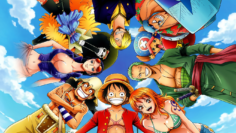
One Piece viewers may rightfully fault Hody Jones for being little more than a repeat of what Arlong did, to the point Hody Jones actually cited Arlong as his inspiration for his villainous deeds. Hody Jones, in the end, just felt like an excuse for Luffy to show off his newfound prowess with the Haki combat system, and everyone promptly forgot Hody Jones when the Straw Hats moved on.
One Piece has many villains that are better than Hody Jones, such as Charlotte Katakuri and King, but Hody Jones’ writing still has some power. That’s because many fish-men and mermaid characters can tie their writing into the dreadful racism and slavery found in One Piece‘s world, giving Hody Jones’ anger a righteous edge. That does not excuse Hody Jones from what he did, but it also adds some essential moral ambiguity to One Piece.
Minoru Mineta Found His Own Subversive Reason to Become a Pro Hero in My Hero Academia
My Hero Academia fans may have the impression that Minoru Mineta, or Grape Juice, was written as a gag character parodying mega-perverts in other anime, such as Master Roshi and Jiraiya. If there was a joke being told, it didn’t work, with My Hero Academia fans disliking Minoru for fair reasons. He’s annoying, self-absorbed, and prone to harassing all the girls.
Minoru failed as an apparent parody of archaic character designs, but his writing did succeed in a few other ways. Minoru is indeed loyal to his friends, to the point he stated his ambiguous love for Deku during the battle against Dark Deku. Also, Minoru stated his heroic motivation as the desire to meet many girls, which actually ties into the anime’s deconstruction of superheroes. Too many pro heroes became crime fighters for shallow or self-serving reasons, favoring popularity and prestige over lofty principles.
Mello Swallowed His Pride to Seek Justice for the Fallen L in Death Note
No one will deny how L the super-detective was Light Yagami’s best antagonist in all of Death Note, with Mello and Near feeling like cheap knockoffs. Mello probably wore fans out with his desperate, one-sided rivalry with Near, and they disliked Mello greatly for traumatizing Sayu Yagami with his abduction scheme. After that, though, Mello’s writing got stronger.
The most impressive thing about Mello is how he shifted his perspective to cooperate with Near for their shared purpose of bringing L’s killer, Kira, to justice. That was big of Mello, and he even felt terrible about Matt’s demise, showing his sympathetic side late in Death Note‘s story. The most interesting part is how Mello died before Kira was caught, but still contributed to Light’s downfall, making Mello feel weirdly successful after all.