30 Years Later, Modern Anime Still Can’t Beat Neon Genesis Evangelion
On October 4th, 1995, a new anime series by a talented artist and animator in the industry with untapped potential was set to debut, and devoted fans were ripe with anticipation. By the end of Neon Genesis Evangelion‘s first episode, “Angel Attack”, the series had already become something of a cultural moment in Japan.
In the 30 years since its debut, Evangelion has been endlessly studied, worshiped, critiqued, adored, and hated, while remaining one of the most popular and successful anime franchises in history. The landscape of anime was never the same after Neon Genesis Evangelion premiered, and nothing like it has aired since.
30 Years On, Neon Genesis Evangelion Remains an Unconventional Masterpiece
Neon Genesis Evangelion revolutionized anime in a number of ways, regardless of what its detractors might have to say about the series. After the premiere of its first episode, Evangelion was shifted to a late-night TV time slot, an unprecedented move at the time that allowed the show to explore more mature themes without the restrictions of daytime television.
Smack in the middle of what has become known as Japan’s “lost decade” of economic stagnation, the shift opened the door for other anime titles to do the same, helping to save an anime industry that, at the time, was slowly dying. However, despite its mass popularity and overwhelming success, Evangelion is the furthest thing from a traditional anime series.
For the first 15 or so episodes, Evangelion is an absolute triumph in week-to-week storytelling. The pacing is tight, the mystery steadily grows, and the series consistently hits new highs in visual quality and direction.
However, as the show approaches its final act, it appears to completely fall off the tracks before forming into a strange, metaphysical deep dive into the psyches of its characters. Upon taking a step back and viewing Evangelion in its entirety, though, it quickly becomes clear that this is what was always intended.
Evangelion is an imperfect series written by an imperfect creator exploring an imperfect humanity while an imperfect audience is taken along on the journey.
Both the original ending of the TV series and 1997’s The End of Evangelion have combined to form arguably the most divisive finale in anime history. However, there’s often a fundamental misunderstanding of the series in those who are overly critical of it.
Evangelion Is One of the Most Misunderstood Anime Series Ever
Evangelion Isn’t Perfect, and That’s Sort of the Point
Neon Genesis Evangelion isn’t exactly a perfect series, and there’s plenty about it that viewers might have trouble connecting with. To that point, there’s also quite a bit about the series that is often misunderstood by those diving into it.
While it’s true the show places a focus on and explores themes like depression and mental health, to label it solely as a meditation on those subjects is a drastic oversimplification of what Evangelion sets out to do. The series is a dive into the human condition in general, from social connections to the burden of expectations society places on its members.
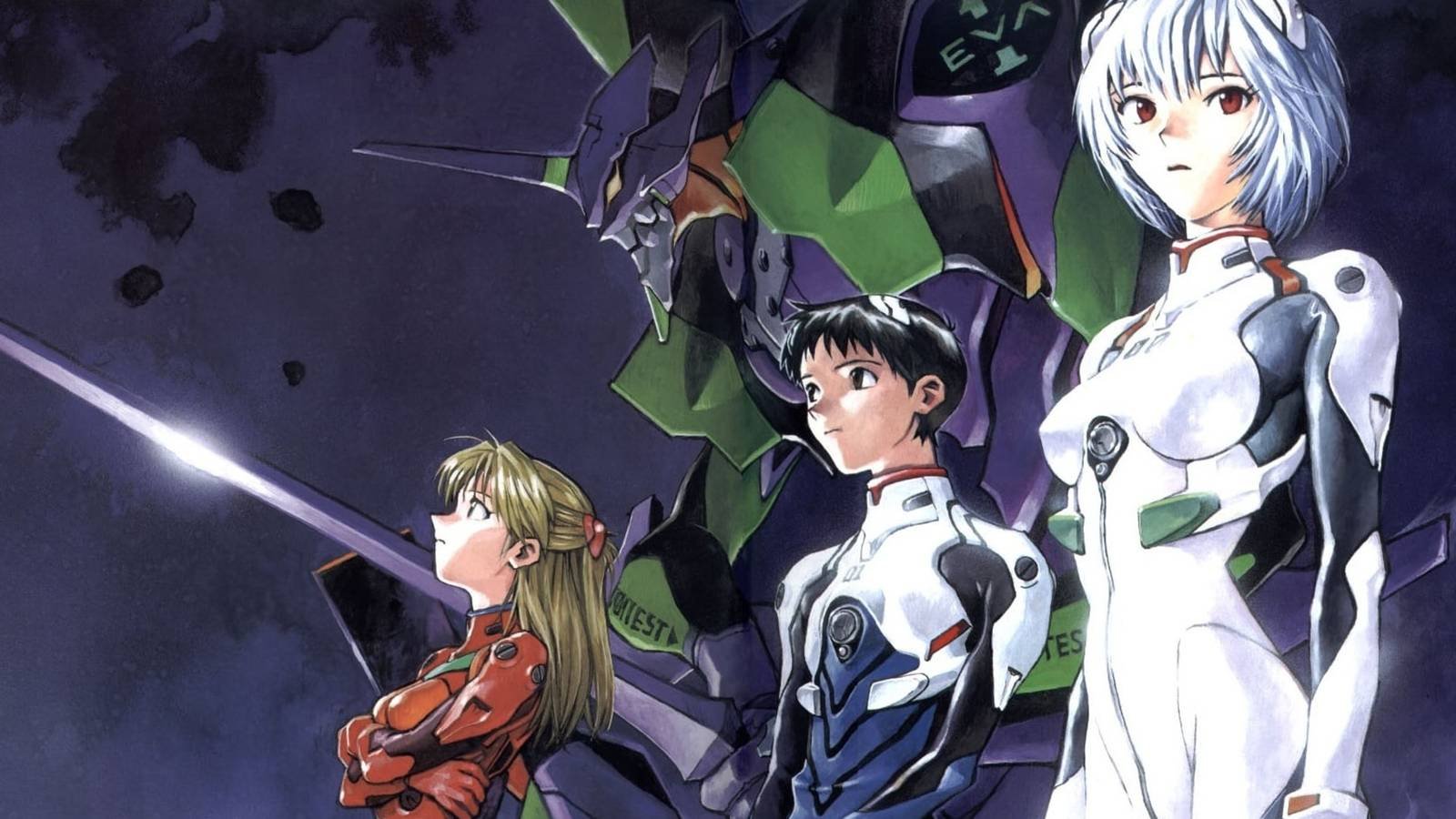
By the time the series reaches its final act, its events are stripped of any meaning beyond base human instincts and raw emotion. It’s no longer about whether Shinji will enter his robot and fight Angels, it’s about whether fighting those Angels and continuing to survive holds any purpose for a deeply flawed humankind.
Evangelion is an imperfect series written by an imperfect creator exploring an imperfect humanity while an imperfect audience is taken along on the journey. Every moment is created with intent, whether that be to push the characters ever deeper into personal reflection, or to do the same to those watching the show.
As a result, critiques like the perceived oversexualization of certain characters fall a bit flat. Evangelion is never trying to feed its audience fan-service. The viewer is meant to feel just as uncomfortable, confused, or disgusted in certain moments as Shinji is meant to feel.
There’s Never Been Another Evangelion
Three Decades Later, Evangelion Is Still Imitated Yet Never Replicated
As a work of art, Neon Genesis Evangelion has often been imitated, but never replicated. Other anime titles might feature better pacing, visuals, action, or a tighter narrative, but none have ever pushed, explored, or battled with the art of animation as a medium for storytelling quite like Evangelion did.
The series has since been revisited in the alternate timeline Rebuild quadrilogy movies, which add to the lore and universe of Evangelion, though many fans feel the newer take on the story and its characters is missing some of the mystery that made them so special in the first place.
30 years ago, Neon Genesis Evangelion aired for the very first time, and would eventually go on to forever change the landscape of popular anime. It might not be perfect in everything it does, but few shows have ever come close to reproducing the sort of impact the series had on the industry and its fans.
-
Megumi Ogata
Shinji Ikari
-
Megumi Hayashibara
Rei Ayanami