
10 Best Ghibli-Inspired Anime to Watch on Netflix
Studio Ghibli is known for its unique style, sense of wonder, warmth, and emotionally driven narratives. For decades, the studio has set the standard for imaginative storytelling and creating films that can be enjoyed by all ages and genres. Whether it’s fantasy, touching adventures, or nostalgic reflections, Ghibli captures a special kind of magic.
While Studio Ghibli remains the blueprint, that same spirit can be found in other anime films and series that carry its influence over into new territory. These anime honor the studio’s legacy while creating their own place within the world of anime through unique explorations of love, loss, and life.
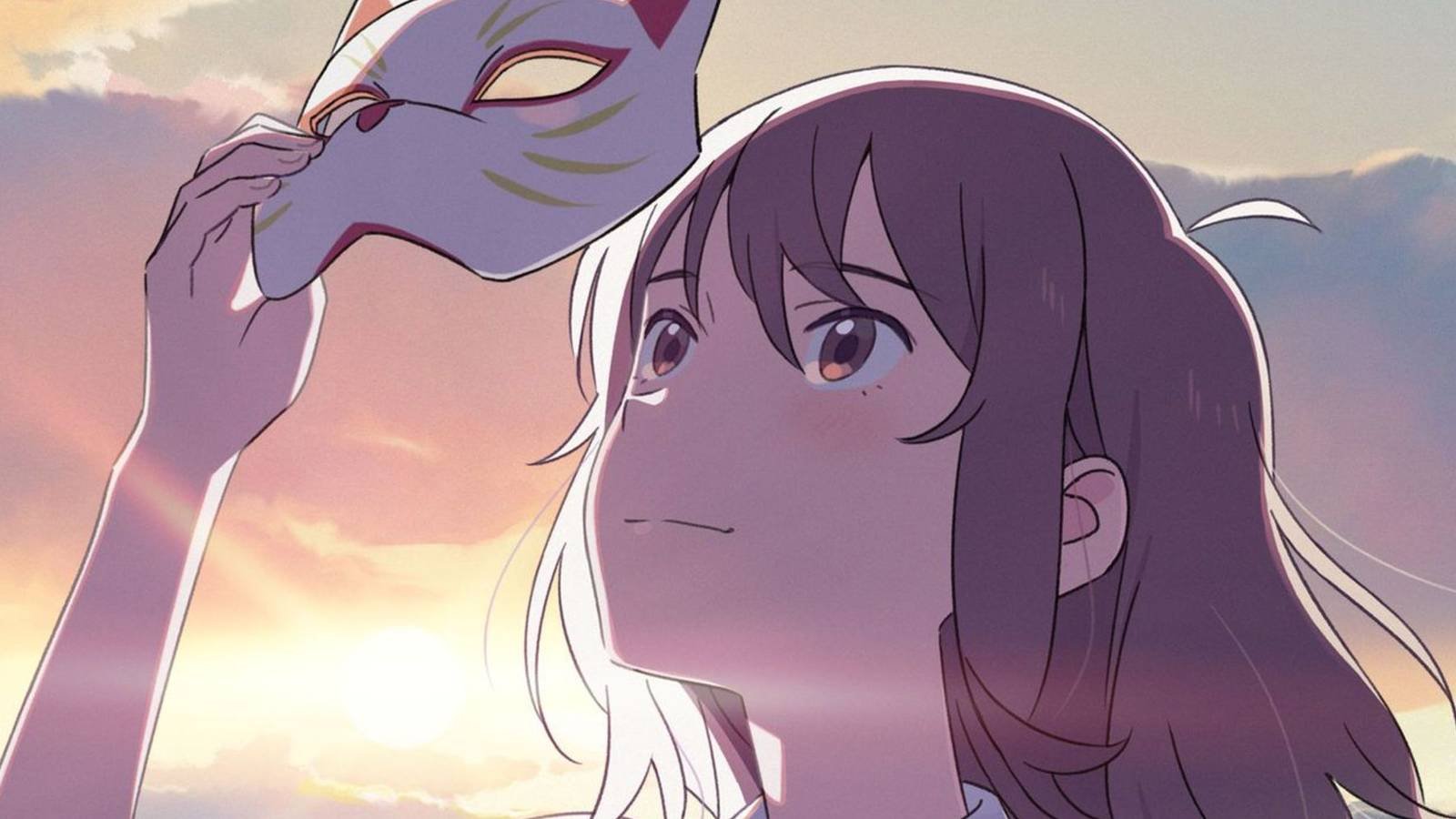
A Whisker Away
A Whisker Away follows Miyo Sasaki, a quiet teenage girl who can transform into a cat to escape her family problems. While she’s a cat, Miyo begins spending time with her crush to find the acceptance and closeness she doesn’t feel as a human. However, the more time she spends as a cat, the more she risks losing her humanity.
Torn between her two identities, Miyo has no other option than to confront the parts of herself that she’s been running from in order to decide where she truly belongs. With strong themes of escapism, identity, personal struggles, and self-acceptance, the film stands out as a heartfelt and engaging story.
A Whisker Away shares similar qualities that make Ghibli films loved by fans, including transformation, wonder, and emotional growth. Its balance of everyday life with fantastical elements mixed in makes the film and its themes hit the mark when it comes to magical heartwarming tales, and is perfect for fans of Ghibli’s Spirited Away and The Cat Returns.
Words Bubble Up Like Soda Pop
Words Bubble Up Like Soda Pop centers on Cherry, a shy boy who expresses himself through haiku, and Smile, a bright and bubbly influencer who hides her insecurities behind a mask of confidence. When their paths cross one summer, an unlikely friendship forms between them, allowing them to grow and confront their self-doubts.
The film is a musical filled with vibrant animation, gentle pacing, and touching universal themes that include communication, self-expression, and nostalgia. Its ability to evoke a sense of wonder through small yet beautiful moments makes the film stand out and gives it a Ghibli-esque spirit similar to Ghibli films like Whisper of the Heart.
Violet Evergarden
Violet Evergarden follows the titular character, Violet, a teenage girl learning how to navigate life after a devastating war. Having served as a child soldier, taught only to follow orders and fulfill her duties, she begins a new journey to understand humanity and emotions. To do this, she starts a job as an Auto Memory Doll.
As an Auto Memory Doll, she is tasked with writing letters that capture the feelings that people can’t put into words. Each new assignment presents unique challenges and grants Violet the opportunity to learn more about her own heart and those around her. With profound themes of identity, love, grief, and healing, the series offers viewers a deeply emotional journey.
Violet Evergarden is known for its stunning animation and beautiful soundtrack, elevating the story into an unforgettable masterpiece. Capturing the same essence of Ghibli through its visuals, attention to detail, and emotional storytelling, the series stands out for evoking a sense of wonder and sincerity that lies at the heart of Studio Ghibli’s films.
Child of Kamiari Month
Child of Kamiari Month follows Kanna, a young girl whose life takes unforeseen turns as she begins a journey across Japan to deliver offerings to the gods. She embarks on this adventure to take on her family’s legacy after her mother’s passing, secretly hoping that by proving the gods’ offering, she will have the chance to see her mother again.
As she faces unexpected challenges and learns about her family’s hidden legacy, she encounters mystical beings, including a demon boy named Yasha and a talking rabbit named Shiro, who help her along her journey. With themes of connection, grief, and healing, along with fantastical and whimsical elements, the film recreates a similar atmosphere to Hayao Miyazaki’s works at Studio Ghibli.
Drifting Home
Drifting Home follows a group of childhood friends, Kosuke and Natsume, who grew up together at the same apartment complex, but have grown apart since the death of Kosuke’s grandfather. When they unexpectedly reunite in the abandoned building, which is slated for demolition, a strange rainstorm sweeps them, along with their friends, out to sea.
Drifting across the ocean, the group must find a way to survive while Natsume and Kosuke must reconcile while facing aspects of their shared past. The film mixes whimsical surrealism with heartfelt moments, allowing it to focus on the characters and their relationships in ways that echo Ghibli’s ability to balance introspection with fantasy.
Children of the Whales
Children of the Whales follows Chakuro, a young archivist living on a floating island, the Mud Whale, that is inhabited by people who age slowly and those who possess unique magical abilities. Life on the island is carefully structured, divided between the Marked, those with powers, and the Unmarked, those who live longer.
However, life on the island changes after Chakuro discovers a girl named Lykos, triggering outsiders to arrive on the Mud Whale and attack. The people of the Mud Whale are forced to confront their history, leading to revelations that Chakuro never could have imagined. With its dreamlike settings and themes of growth and anti-war messaging, the series shares Ghibli qualities.
Flavors of Youth
Flavors of Youth tells three different yet interconnected short stories set in modern-day China. Each one explores themes of nostalgia, fleeting youth, and the challenges that come with navigating adulthood. The three stories capture the daily lives of three individuals as they reconnect with what’s important to them.
The film’s attention to detail, emotionally driven storytelling, and unique, memorable characters make the narrative engaging and heartfelt. Flavors of Youth shares clear similarities with Studio Ghibli’s works, with the same focus on connection, reflection, and the small, often overlooked, wonders of life. Fans of Studio Ghibli’s Only Yesterday will find Flavors of Youth to share the same tenderness.
The Imaginary
The Imaginary centers on a young girl named Amanda who brought to life an invisible friend through her imagination named Ruger. When Amanda is injured and falls into a coma, it’s up to Ruger, whose very existence is at risk, to find a way to protect his existence or risk losing everything.
Ruger finds himself in the Town of Imaginaries, a place where old imaginary friends disappear to work and live when they are forgotten. Determined to return to Amanda, Ruger fights to survive and save those he cares about. With themes of loss, grief, and the power of imagination, The Imaginary stands out for its fantastical and heartfelt storytelling.
Frieren: Beyond Journey’s End
Frieren: Beyond Journey’s End centers on the titular character, Frieren, a long-lived elven mage who was once part of the hero party that defeated the Demon King. When she outlives her human companions after their decade-long quest and the decades of peace after, she realizes that he had taken her time with them for granted.
Determined to understand humanity and her own past better, she begins a journey with new companions Fern and Stark. Along the way, Frieren’s perspective is often challenged, allowing her to understand better emotions such as grief and empathy as well as the importance of connection.
With themes that center around the passage of time and the bonds people form with one another, Frieren stands out as a meditative story filled with stunning animation blended with moments of action, keeping the pacing fresh. Its reflective qualities and heartfelt storytelling make the series evoke a similar sense of wonder and warmth to Ghibli films.
Suzume
Suzume follows the titular character, a spirited young girl who finds herself caught in a series of disasters across Japan after she meets Souta and stumbles across a mysterious door. To stop the chaos being unleashed around the country, Suzume sets out on a journey to close these doors before more disasters can unfold.
Along her journey, Suzume confronts her own emotions and grief surrounding the loss of her mother, who died in a tsunami when she was a child. The film is packed with deeper themes of loss, resilience, and the importance of connections. Suzume combines high-stakes adventures with reflective moments that create a breathtakingly beautiful narrative.
Directed by Makoto Shinkai, who is also known for the hit 2016 film Your Name, Suzume delivers a stunningly crafted cinematic experience and emotional arc that is reminiscent of Studio Ghibli. Fans of Spirited Away or Howl’s Moving Castle will find that Suzume offers a similar experience.