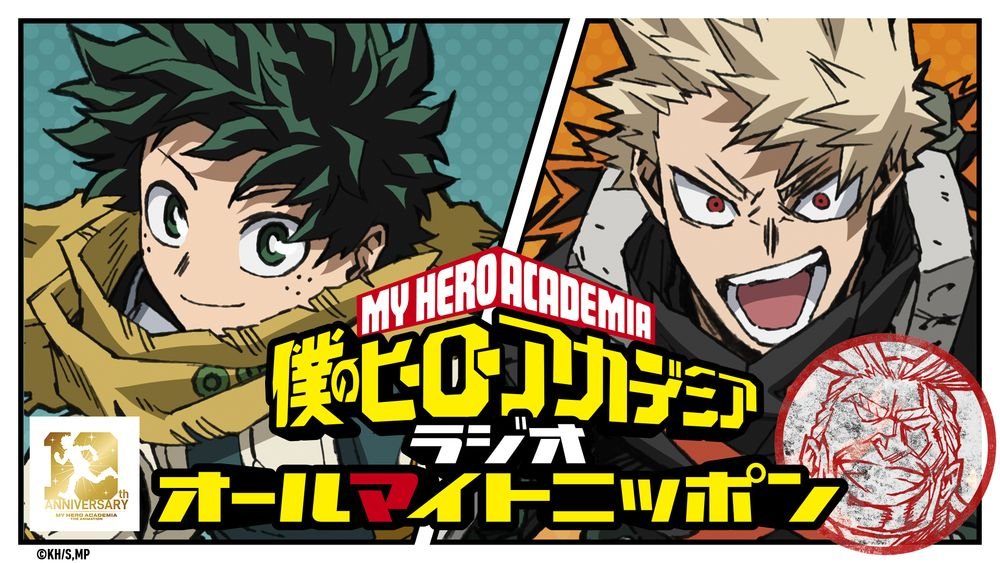
My Hero Academia Hero Ranking System Explained
My Hero Academia’s society runs on a leaderboard, and understanding it explains most of the series’ politics. Here is how heroes are ranked, licensed and paid.
The Hero Billboard Chart
Twice a year the Hero Public Safety Commission publishes rankings of Japan’s pro heroes based on resolved incidents, public approval and contribution to society. The top spot, the Number One Hero, is treated as a national symbol. All Might held it for decades as the Symbol of Peace, and his retirement after the fight with All For One left Endeavor at the top by default, a promotion he never wanted the way he got it.
Why rankings matter
Rank drives sponsorship, agency funding and public trust. Heroes are effectively licensed public servants who also function as celebrities, and the chart makes that tension explicit. Hawks rising to number two young, and Mirko’s refusal to run an agency at all, show different ways of playing the same game.
Licenses and agencies
Using a Quirk to fight crime without a provisional or full hero license is illegal, which is why the students spend so much of the series earning theirs. Licensed heroes work through agencies that handle patrols, contracts and sidekicks, and the internship arcs show the students learning that the job is as much paperwork as combat.
What the system gets wrong
The series spends its back half showing the rankings’ cost: heroes chasing popularity, villains created by the people the chart forgot, and Stain’s argument that only All Might was ever real. The system is not a background detail. It is the villain of the story.
My take: The Billboard Chart is Horikoshi’s sharpest idea, a superhero society that measures goodness in ratings. Endeavor at number one is the entire critique in one man.